











paystand symbol white logoAR + PAYMENTS
|
AP + EXPENSE
|
LATAM AR + AP
|
FX + PAYOUTS
|
.org
  • Receivables

    ACCOUNTS RECEIVABLES

    • Automatic Reconciliation
    • Collections Automation
    • Payment Portal
    • Convenience Fees & Incentives
    • Billing & Receivables Automation
    • Dashboard & Reporting
    • NetSuite NetSuite
    • Sage Intacct Sage Intacct
    • Dynamics 365 Dynamics 365
    • Acumatica Acumatica
    • Adobe Commerce Adobe Commerce
    • BigCommerce BigCommerce
    • Woo Commerce Woo Commerce
    • Xero Xero
    • All Integrations All Integrations
  • Payables

    ACCOUNTS payables

    • AP Automation
    • Accounting Automation
    • International Payments
    • Purchase Order Approvals & Spend Approvals
    • Customer Portal

    WHY NOW

    Our push into Accounts Payables comes with our mission of becoming the one stop shop for the CFO.

    By integrating AP, our financial suite becomes even more powerful as we aim to automate everything money.

  • Payments

    OUR NETWORK

    Discover how we enable your business to receive fee-less payments at a faster speed than your current solution.

    We transition your costliest payers into cost-effective payment rails to return the most positive of ROIs.

    OVERVIEW

    • B2B Payments
    • Paystand Bank Network
    • Check Scan
    • eCheck and ACH
    • Smart Lockbox
    • Canadian EFT
    • Push Payments (AI Match)
  • Expense

    EXPENSE

    • Spend Management
    • Corporate Cards
    • Procurement
    • Spend Analytics
    • Slack Slack
    • Microsoft Teams Microsoft Teams
    • Quickbooks Online Quickbooks Online
    • NetSuite NetSuite
    • Sage Intacct Sage Intacct
    • Microsoft Dynamics 365 Microsoft Dynamics 365
    • All Integrations All Integrations
  • Resources
    • Blog
    • Case Studies
    • Glossary
    • Podcast
    • Events
    • Webinars
    • Datasheets
    • eGuides

    INDUSTRIES

    • Healthcare
    • Manufacturing
    • Construction
    • Supply Chain
    • Solar Energies
    • Retail
    • Wholesale

    DATA & INFRASTRUCTURE

    • Enterprise Blockchain
    • APIs

    LEARNING RESOURCES

    • Improving Cash Flow
    • Optimizing AR
    • Reducing Costs
    • Bitcoin at Paystand
  • Company

    Company

    Paystand is revolutionizing B2B payments with a modern infrastructure built as a SaaS on the blockchain, enabling faster, cheaper, and more secure business transactions.

    Our mission is to reboot commercial finance by creating an open financial system.

    Payments as a Service

    PARTNERS

    Join Paystand's partnership program today.

    Become a Partner

    PRESS

    Read about Paystand business updates and technology announcements.

    Read About Paystand

    CAREERS

    Join our fast-growing team of disruptors and visionaries.

    Grow With Paystand

    ABOUT US

    See how we are rebooting commercial finance.

    Learn About Our Mission

    Where We Operate

    United states

    USAPaystand is headquartered in California and operates nationwide, serving businesses across all 50 states.


    canada

    CANADAWe support operations in Canada with localized payment capabilities, including CAD EFT and cross-border support.

Bitcoin
Get Started
  • Login
  • Receivables
    • Automatic Reconciliation
    • Collections Automation
    • Payment Portal
    • Convenience Fees and Incentives
    • Billing & Receivables Automation
    • Dashboard & Reporting
    • NetSuite
    • Sage Intacct
    • Dynamics 365
    • Acumatica
    • Adobe Commerce
    • BigCommerce
    • WooCommerce
    • Xero
    • All Integrations
  • Expenses
    • Spend Management
    • Corporate Cards
    • Procurement
    • Spend Analytics
    • Slack
    • Microsoft Teams
    • Quickbooks Online
    • NetSuite
    • Sage Intacct
    • Microsoft Dynamics 365
    • All Integrations
  • Payables
    • AP Automation
    • Accounting Automation
    • International Payments
    • Purchase Order Approvals & Spend Approvals
    • Customer Portal
  • Payments
    • B2B Payments
    • Paystand Bank Network
    • Check Scan
    • eCheck and ACH
    • Smart Lockbox
    • Canadian EFT
    • Push Payments: AI Match
  • Resources
    • Blog
    • Case Studies
    • Datasheets
    • eGuides
    • Events
    • Webinars
    • Glossary
    • Podcasts
    • Improving Cash Flow
    • Optimizing AR
    • Reducing Costs
    • Bitcoin at Paystand
    • The Future of Finance - Get Your Copy
    • Enterprise Blockchain
    • APIs
  • Industries
    • Healthcare
    • Manufacturing
    • Construction
    • Supply Chain
    • Retail
    • Solar
    • Wholesale
  • Company
    • Abous Us
    • Payments as a Service
    • Become a Partner
    • Press
    • Careers
  • Login
  • Get Started
Analisa Flores 03/12/2025
3 Minutes

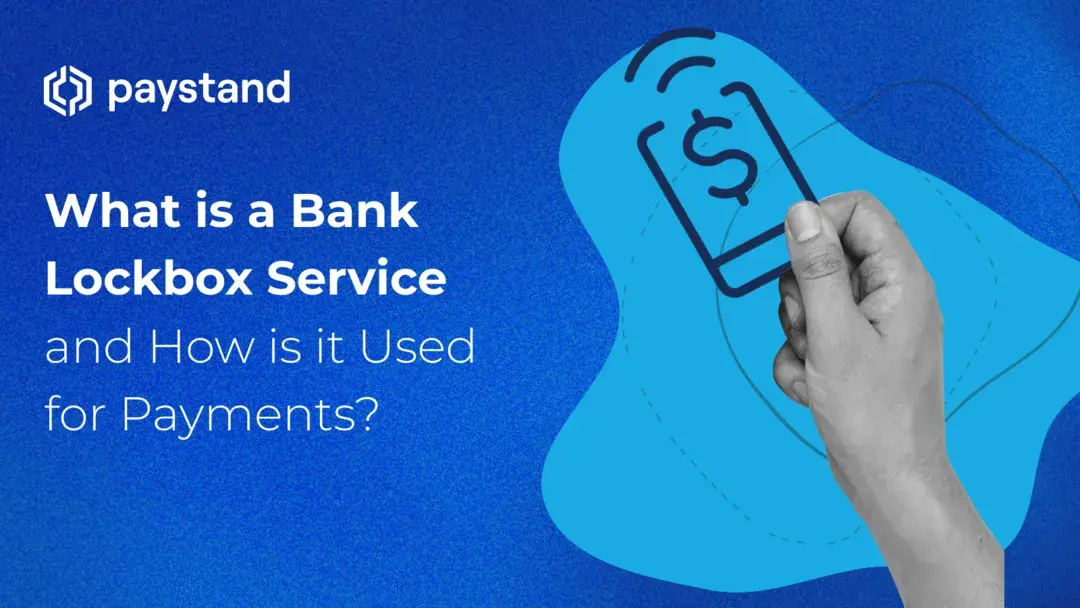
What is a Bank Lockbox Service and How is it Used for Payments?

What is a Bank Lockbox Service and How is it Used for Payments?

Table of Contents

  1. What is Lockbox Banking?
  2. How Lockbox Banking Works
  3. Pros of Lockbox Banking
  4. Advantages of Traditional Lockbox
  5. Disadvantages of Traditional Lockbox
  6. Lockbox Banking and Accounting
  7. Digital or Electronic Lockbox Services
  8. Common Lockbox FAQ

Key Takeaways

  • Lockbox banking is a method businesses use to streamline receivables by routing payments to a centralized location.
  • Traditional lockbox banking services focus on processing paper checks but have limitations in speed, security, and integration.
  • Electronic lockboxes provide faster, more secure, and cost-effective solutions by automating payment processing and integrating with financial systems.
  • Businesses shifting to digital lockbox solutions can improve cash flow, reduce fraud risk, and enhance operational efficiency.
  • Implementing electronic lockbox payments involves selecting a provider, integrating with financial software, and ensuring compliance with security protocols.

For a long time, bank lockbox services have helped treasury and finance teams manage their receivables. These services assist with processing checks and other payments sent by mail. But now, various digital options for lockbox services exist in the internet age.

Businesses increasingly seek alternative ways to process customer payments efficiently for better cash flow and cost savings. They need something more than the paper-check-focused bank lockbox service. According to a 2022 Association for Financial Professionals (AFP) survey, 73% of businesses switched to electronic payments instead of paper checks.

Lockbox services hinge on efficiency and security, while cost remains a crucial factor for businesses evaluating these services. This makes alternative, cost-effective lockbox payment processing solutions a win-win for AR teams and their payers.

An efficient electronic lockbox solution can streamline receivable systems, boost payment collection, and improve cash flow. However, not all lockbox solutions are the same, making it essential to understand when to use each type of service.

In this article, we will explore the pros and cons of lockbox services and examine how online billing portals and finance workflow automation are reshaping the traditional commercial lockbox.

What is Lockbox Banking?

Lockbox banking is a service banks offer to businesses to accelerate the collection and processing of customer payments. Companies use lockboxes as secure collection points for checks and other mailed payments. The bank collects these payments, processes them, and deposits the funds into the business’s account.

Lockbox banking services are particularly useful for businesses that receive a high volume of check payments, such as real estate firms, manufacturing companies, and utility providers.

Smart lockbox banner


How Lockbox Banking Works

After a bank receives a lockbox payment for a business, a bank representative collects the money dropped off daily (or more often) from the box. Each payment and any remittance info received are processed manually or through optical character recognition (OCR) and Check21 technology to scan, capture, and process electronic payments as a digital image. Afterward, the original check is discarded. The bank then provides daily reports and nightly backups to businesses.

Pros of Lockbox Banking

Pros of Lockbox Banking
Faster check processing and reduced mail float.
Enhances efficiency for back-office staff by reducing manual tasks.
Provides a secure way to handle high volumes of mailed payments.


Advantages of Traditional Lockbox

Advantages of Traditional Lockbox
Reduces mail float and speeds up check processing
Many strategically located lockboxes ensure faster delivery
Eliminates the need for deposit preparation and manual reporting
Banks handle lockbox processing at scale, increasing efficiency

Disadvantages of Traditional Lockbox

Disadvantages of Traditional Lockbox
High costs due to fixed and transaction-based bank fees
Security concerns arise due to manual processing risks
Slower processing compared to digital payments
Requires manual reconciliation with ERP and accounting systems
Limited to check processing, excluding ACH and digital payments
Inconvenient for AP departments transitioning to digital payments


Lockbox Banking and Accounting

Traditional lockboxes do not integrate seamlessly with modern ERP and accounting systems, requiring additional reconciliation work for finance teams. Digital lockbox solutions, however, bridge this gap by automating transaction matching and posting.


Digital or Electronic Lockbox Services

Electronic lockbox services replace physical processing with digital solutions, allowing payments via ACH, credit cards, eChecks, and bank transfers.

Steps to Start Using Electronic Lockbox Payments

  1. Select a trusted electronic lockbox provider.
  2. Integrate the service with your accounting or ERP system.
  3. Configure payment methods and customer invoicing.
  4. Establish security protocols to protect transaction data.
  5. Train finance teams on automation processes.

A guide to dominate B2B payments in 2026

Pros and Cons of Electronic Lockbox Payments

Pros of Electronic Lockbox Payments Cons of Electronic Lockbox Payments
Faster processing and fund availability Requires integration with existing financial systems
Enhanced security and fraud prevention Some providers charge setup and maintenance fees
Reduced manual reconciliation Customers used to paper checks may need time to transition
Supports multiple payment methods  
Lower operational costs compared to traditional lockboxes.  


Implementing Electronic Lockbox Payments

Businesses should consider their payment volume, customer preferences, and integration needs before selecting an electronic lockbox provider. A step-by-step approach includes partnering with a digital payments provider, configuring invoicing workflows, and ensuring compliance with security and industry standards.


Common Lockbox FAQ

Q: How much is a lockbox at a bank?

A: Costs vary based on bank policies and may include setup and monthly fees, as well as per-transaction charges.

Q: What is the difference between a lockbox and a PO box?

A: A PO box is for general mail collection, while a lockbox is specifically for payment processing and deposit services.

Q: Are lockboxes only for checks?

A: Traditional lockboxes are check-based, but smart lockboxes support ACH, credit cards, and eChecks.

Q: Can lockboxes process both paper and digital payments?

A: Yes, smart lockboxes handle a variety of payment methods beyond checks.

Q: What businesses benefit from a smart lockbox?

A: Businesses processing high volumes of B2B payments, especially those transitioning from checks to digital payments.

By integrating electronic lockbox solutions, businesses can enhance payment processing speed, reduce costs, and improve overall financial efficiency.

See more on Paystand’s Smart Lockbox service for a modern approach to receivables management.

Top stories button (B)


author-profile
Written by Analisa Flores

Analisa is a Copywriter at Paystand, focusing on crafting content that supports businesses in optimizing their payment processes through automation and digital solutions.

Share:

  • Follow us on Facebook
  • Follow us on Twitter
  • Follow us on Linkedin
  • Follow us on Pinterest

Top Challenges Accounts Receivable Teams Face and How to Solve Them

Previous Post

Must-Have Best Features of a NetSuite Payment Solution

Next Post
  • There are no suggestions because the search field is empty.

Subscribe Here!

Category

  • B2B Payments (112)
  • AR Optimization (96)
  • AR Automation (93)
  • Payment Processing (72)
  • Billing & Invoicing (71)

Popular Posts

Zazil Martinez 08/22/2024
What Is a TID Number? The Key to Secure Transactions
Zazil Martinez 02/27/2025 B2B Payments, Billing & Invoicing, AR Optimization, AR Health
How to Improve Your Financial Decision Making?
Zazil Martinez 07/15/2024 Credit Cards
What is a Credit Card Hold? A Closer Look
Zazil Martinez 06/12/2024 AR Automation, AR Optimization
Enhance Efficiency with Payment Automation Solutions

Related Posts

Smart Lockbox, AR Optimization
Erika Hernandez Letipichia 28 May, 2025

Check Scan Payments: A Smarter Way to Process Paper Checks

Table of Contents

Read This Article
Smart Lockbox, Payment Processing
Zazil Martinez 13 June, 2024

Paper Checks in B2B Transactions: Usage, Inefficiencies, and Digital Alternatives

Despite the rise of digital payments, paper checks are still widely used in B2B transactions. While…

Read This Article

Paystand is on a mission to create a more open financial system, starting with B2B payments. Using blockchain and cloud technology, we pioneered Payments-as-a-Service to digitize and automate your entire cash lifecycle. Our software makes it possible to digitize receivables, automate processing, reduce time-to-cash, eliminate transaction fees, and enable new revenue.

  • Receivables
    • Automatic Reconciliation
    • Collections Automation
    • Payment Portal
    • Convenience Fees and Incentives
    • Billing & Receivables Automation
    • Dashboard & Reporting
    • NetSuite
    • Sage Intacct
    • Dynamics 365
    • Acumatica
    • Adobe Commerce
    • BigCommerce
    • Woo Commerce
    • Xero
    • All Integrations
  • Payables
    • AP Automation
    • Accounting Automation
    • International Payments
    • Purchase Order Approvals & Spend Approvals
    • Customer Portal
  • Legal
    • Privacy Policy
    • Terms of Service
  • Support
    • Knowledge Base
    • Developer Hub
  • Payments
    • B2B Payments
    • Paystand Bank Network
    • Check Scan
    • eCheck and ACH
    • Smart Lockbox
    • Canadian EFT
    • Push Payments: AI Match
  • Expense
    • Spend Management
    • Corporate Cards
    • Procurement
    • Spend Analytics
    • Slack
    • Microsoft Teams
    • Quickbooks Online
    • NetSuite
    • Sage Intacct
    • Microsoft Dynamics 365
    • All Integrations
  • Company
    • About Us
    • Payments as a Service
    • Become a Partner
    • Careers
    • Press
    • Sitemap
  • Resources
    • Blog
    • Case Studies
    • Datasheets
    • eGuides
    • Events
    • Podcast
    • Webinars
    • Glossary
  • INDUSTRIES
    • Healthcare
    • Manufacturing
    • Construction
    • Supply Chain
    • Solar Energies
    • Retail
    • Wholesale
  • DATA & INFRASTRUCTURE
    • Enterprise Blockchain
    • APIs
  • LEARNING RESOURCES
    • Improving Cash Flow
    • Optimizing Accounts Receivable
    • Reducing Costs

© Paystand, Inc. 2025. All Rights Reserved.